Low-Tox Living and Your Hormones: What the Science Says in 2026
If "toxins" feels overwhelming, you're not alone. Let's make it calmer and simpler.
Your hormones work in tiny amounts so small disruptions can matter, and regulators are paying attention. In 2023 the European Food Safety Authority proposed cutting its tolerable daily intake for BPA by 20,000 times, and an EU regulation banning BPA in food contact materials came into force in January 2025. The science is still evolving, so here's what we do and don't know.
What Are Endocrine Disruptors (EDCs)?
EDCs are chemicals that can interfere with how hormones are made, signalled or cleared. The ones you're most likely to hear about:
Phthalates: used in some plastics and fragrance ingredients
Parabens: preservatives in some skincare and cosmetics
Bisphenols (BPA, BPS): in some hard plastics, can linings and thermal receipts
Triclosan: an antimicrobial in some antibacterial products
What does the research show (and what doesn't it)?
I want to be honest with you, because you deserve more than scare tactics.
What's reasonably well supported: Reviews link EDC exposure with altered egg maturation, anovulation, endometriosis, premature ovarian insufficiency and poorer IVF outcomes. In one case-control study, infertile women (181) had higher blood levels of parabens, triclosan-type compounds and phthalate metabolites than fertile women (121). A systematic review has also examined bisphenols, parabens and triclosan in PCOS, which affects an estimated 5 to 10% of women of reproductive age. Frontiers +2
What's still uncertain: Most human studies are observational, so they show associations, not proof of cause. We're exposed to mixtures, not single chemicals. And for things like menstrual disturbances and adenomyosis, a 2026 review says more research is vital. springer
So the honest takeaway: reducing exposure is a sensible, low-risk precaution, and it doesn't replace getting your symptoms properly investigated
Where does exposure come from?
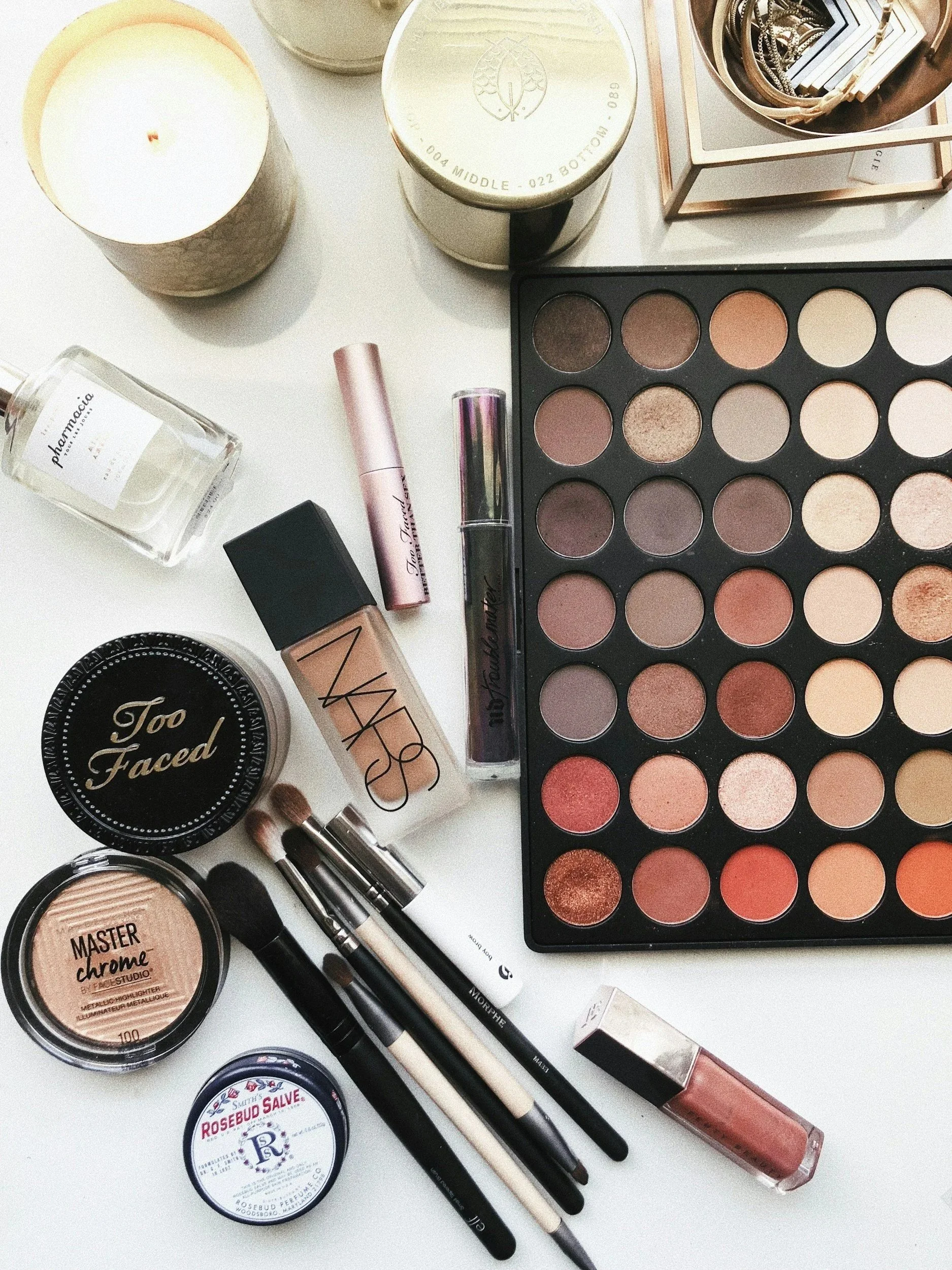
Mostly everyday life: food and drink packaging, personal care products, receipts, and household dust and air. Because it's spread across your day, small changes in several areas add up.
Do low-tox swaps actually work?
Yes, at least for lowering the chemicals measured in your body:
In a study of 100 teenage girls, a few days of using products free of these chemicals cut one phthalate metabolite by 27% and two parabens by around 44 to 45%. cosmeticsbusiness
A French trial found that replacing personal care products lowered urinary levels of harmful chemicals within five days, though several were still detectable. nihr
A small, short randomised trial suggests food and kitchenware changes may matter more than personal-care swaps alone. foundmyfitness
The caveat: these studies measure chemical levels, not symptoms. We don't yet have trials showing swaps improve PMS, skin or fertility. Think of it as lowering your load, not a guaranteed fix.
Where to start (in order of impact)
Kitchen first. Use glass or stainless steel for storing and heating food, and avoid microwaving in plastic. Eat fewer canned and heavily packaged foods where you can.
Simplify personal care. Fewer products means fewer exposures. Choose fragrance-free (not just "unscented") and products free of phthalates and parabens.
Rethink receipts. In a small crossover study, urinary BPA rose after people handled receipts without gloves for two hours, but not when they wore gloves. Choose digital receipts and wash your hands afterwards. "BPA-free" paper often uses BPS, which has estrogenic potency only slightly lower than BPA. ajoumedicalresearch
Keep cleaning simple. Vinegar, bicarb and good ventilation do the job. "Natural" isn't automatically safe, so go easy on concentrated essential oils.
Support your body's normal clearance. Fibre, plenty of plants, hydration and regular bowel movements support how your body handles hormones. This is supportive nutrition, not a "detox.
The swap nobody talks about: what you wear against your skin
Your underwear spends all day against some of the most sensitive skin on your body, so it's worth a little thought.
Clinical guidance is consistent here. ACOG advises cotton underwear and avoiding synthetic materials, and Mayo Clinic notes that tight, non-breathable underwear can add heat and moisture that may contribute to bacterial vaginosis. I'll be upfront about the limits: researchers note there's a lack of controlled studies backing the conventional wisdom on cotton underwear. It's sensible, low-risk advice, but it isn't proven to prevent infections. lenzaiche
What I look for:
Breathable, natural-fibre fabric against the skin
A relaxed fit. Tight, damp fabric is the real enemy.
Low-chemical manufacturing, with third-party certification such as OEKO-TEX® STANDARD 100
Simple laundry: a gentle, unscented detergent, and changing out of sweaty gym gear promptly
Why I partnered with Jaymes: According to Jaymes, their underwear is made from organically grown bamboo, processed in a closed-loop system, and holds OEKO-TEX® STANDARD 100 certification. That matters because a lot of "bamboo" fabric is conventionally processed viscose. (If you still want to feel sexy + comfortable, but know you are causing no harm, this is where I would start!)
Use code INSYNC10 for a discount at Jaymes. See their DIVINE website here .
You don't need to be perfect
Please don't let this become another source of stress. Stress itself affects your hormones. Pick one swap this week, then build from there.
When to get support
If you have irregular or painful periods, suspected PCOS or endometriosis, trouble conceiving, or perimenopause symptoms, it's worth looking at the whole picture: labs, nutrition, gut, stress and environment. Low-tox living is one piece, not the whole puzzle.

Written by Caitlyn Bosch, Insync Naturopathy.
Low-tox living isn’t about perfection — it’s about reducing the hidden chemical burden on your body. Each swap you make supports your hormone health, fertility, and long-term wellbeing.
Your hormones are constantly working for you. Choosing low-tox products is a simple but powerful way to give them the support they deserve.
Do you want to see some of my favourite low-tox products? Click here for exclusive access!
If you're ready to delve deep and determine which hormones are out of balance and how I can support you, book here and let’s begin your healing journey together.
